Flockinghell documents public pushback. RouteFrame, its sister project, does the practical half: compare real driving alternatives and review each route's exposure to publicly documented ALPR locations.
TWO PROJECTS, ONE DEMAND: FLOCKINGHELL KEEPS THE RECEIPTS / ROUTEFRAME MAPS THE NETWORK AND COMPARES THE ROUTES.
Fresh Flock and ALPR coverage, scanned hourly from an allowlist of 500 real newsrooms. Machine-collected and unreviewed: headlines link to the publisher, and nothing here reaches the reports desk until a human reads it.
CHECKING THE WIRE…
[ CIVIC ACTION / ON THE RECORD ]
THIS IS WHAT PUSHBACK LOOKS LIKE.
Real meetings. Real signs. Real public comment. Images are credited to their publishers in place.
DOCUMENTED HERE / ORIGINAL ALWAYS LINKED
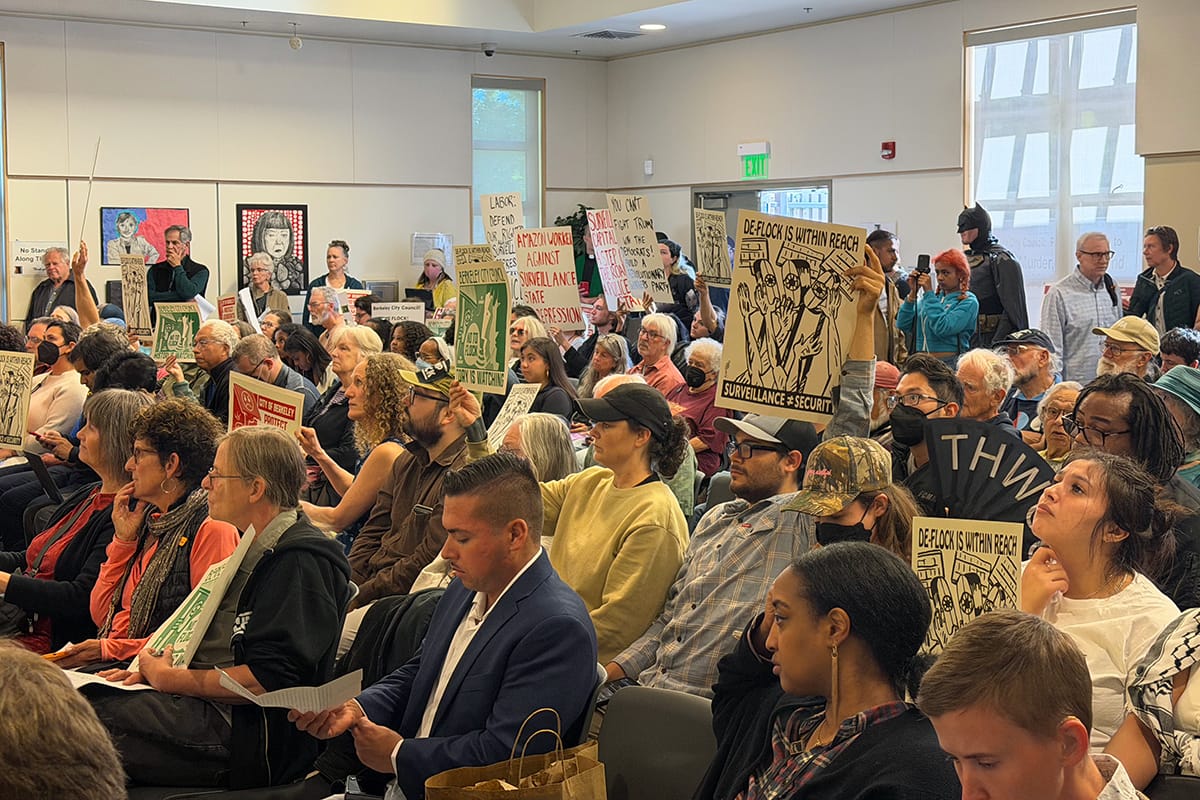
BERKELEY, CALIFORNIAPACK THE ROOM.
Residents filled the council chamber with signs opposing a proposed surveillance expansion.
IMAGE VIA THE BERKELEY SCANNER / CREDITED IN SOURCE RECORDS
CHANDLER, ARIZONAMAKE IT VISIBLE.
Residents confronted the council with a direct message while officials debated the camera contract.
IMAGE VIA ABC15 ARIZONA / CREDITED IN SOURCE RECORDS
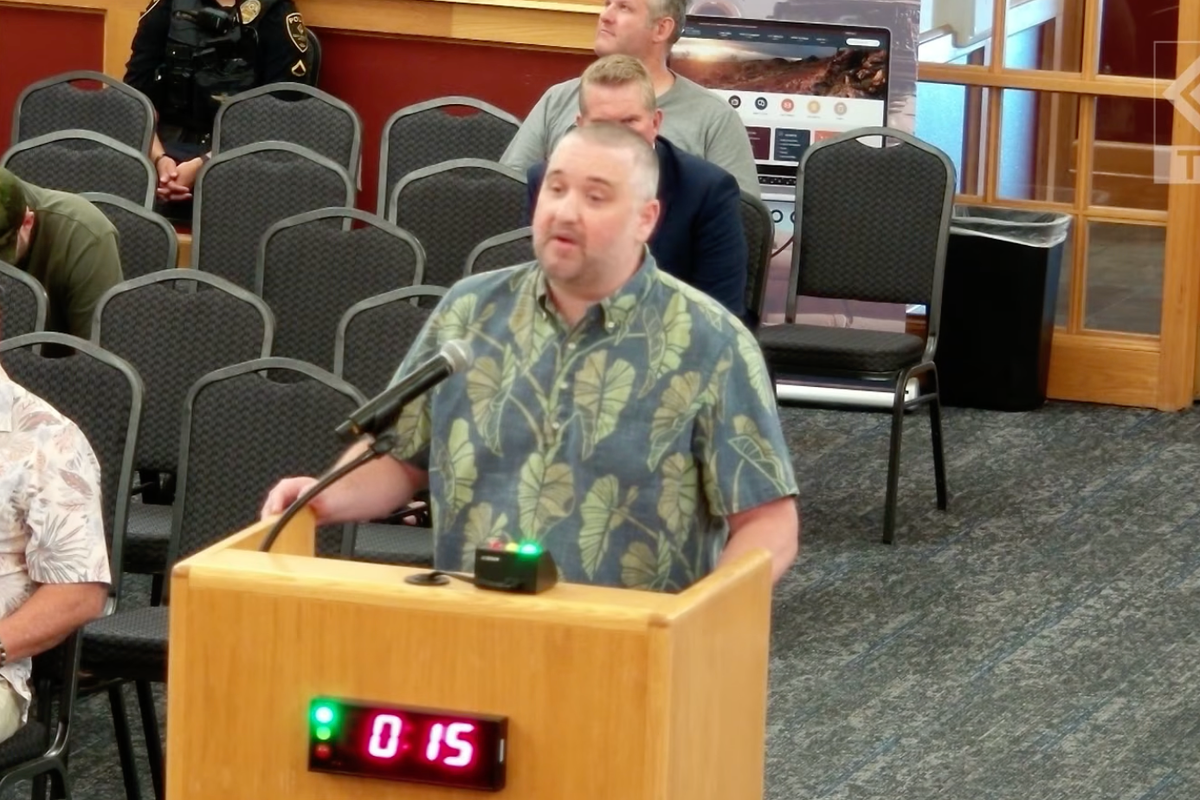
CASA GRANDE, ARIZONATURN THE CAMERA AROUND.
A resident used public comment to challenge officials with a pointed surveillance thought experiment.
IMAGE VIA 404 MEDIA / CREDITED IN SOURCE RECORDS
Images are displayed from publisher preview metadata and remain attributed to their original reports. Flockinghell does not claim ownership.
REVIEWED SOURCE SET49 ACTION REPORTS46 COMMUNITIES ON FILE
PUBLISHER PAGE SOCIAL IMAGE METADATA
PUBLIC OVERSIGHT
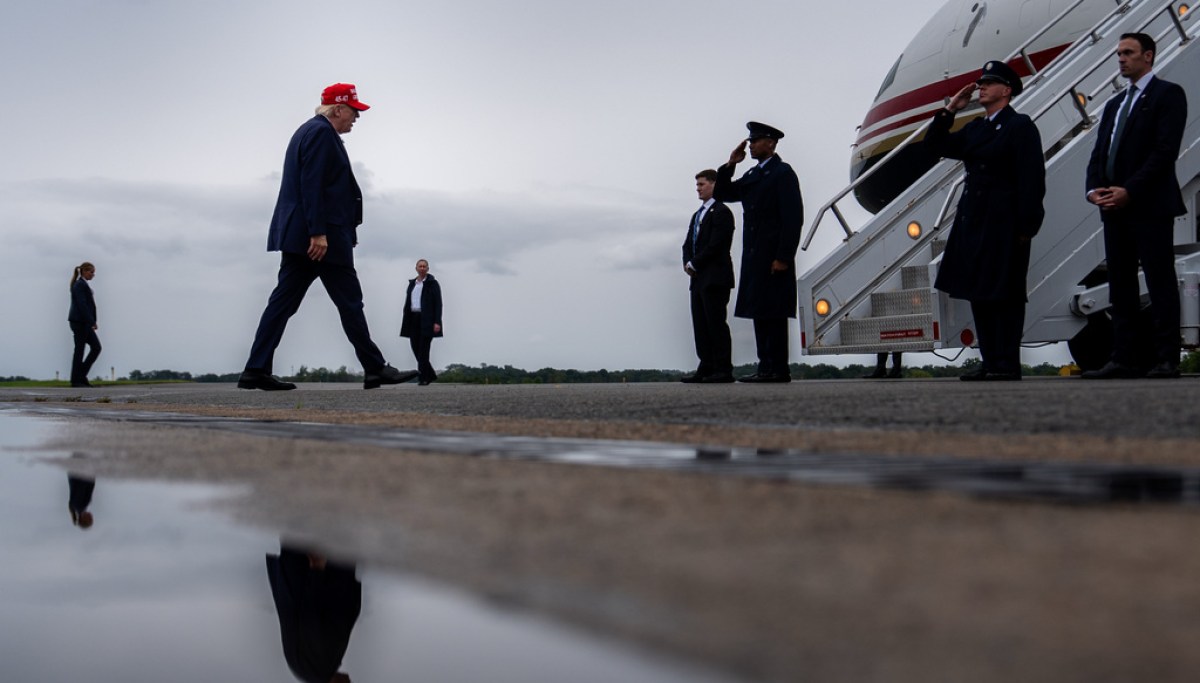
Asked about Flock cameras in the Oval Office, Trump said the question is being studied and an answer is weeks away
Trump was asked about Flock's cameras in the Oval Office on 17 August and answered: "Well, it’s being studied right now. You know, you have pros and cons, right? It’s being studied right now. We’ll have an answer soon, as to our views on it, in the coming weeks." That is not a position, and this desk is not going to dress it up as one. What makes it worth recording is that it is the first time the White House has said anything at all on a question that has so far been settled town by town, and it comes with a self-imposed deadline that can be checked later. It also lands beside a bill already filed by Rep. Tim Burchett, a Republican, to bar federal agencies from buying or accessing these systems. Whatever the answer turns out to be, the argument has moved from council chambers to the Oval Office, which is a change in where this gets decided.
PUBLISHER PAGE SOCIAL IMAGE METADATA
PUBLIC OVERSIGHT
Flock cut its default data retention to seven days and will require a case number for every search
Garrett Langley announced a set of changes on 13 August. The default retention period for plate data drops from 30 days to seven. Officers will have to enter a case code for every search by the end of 2026, emergency searches get flagged for administrative review automatically, and the Audit Assistance feature becomes mandatory for all law enforcement customers by the same deadline, with automatic lockouts when a user's activity meets abnormal-behaviour criteria. Agencies also gain control over which investigation types other departments can pursue using their cameras. Langley said abuse of the technology at any level is unacceptable. Two caveats belong with this. Existing customers keep their currently approved retention periods, so the seven-day default applies to new deployments rather than the network as it stands today, and the case-number requirement is a year-end commitment rather than something already in force. The changes follow the Washington Post investigation into officers using the system to track partners and ex-partners, and a year in which more than 50 agencies or communities cancelled, deactivated or rejected Flock. The case-code requirement addresses a real and documented failure: Columbus's released audit logs show its officers used 7,774 different free-text search reasons, the most common of which were "45", "Stolen", "50a", "43" and "LE".
PUBLISHER PAGE SOCIAL IMAGE METADATA
PUBLIC OVERSIGHT
Mount Vernon is reviewing its Flock policy after a packed council meeting
Mount Vernon, the county seat of the Knox County in Ohio whose sheriff has just declined Flock, already has cameras of its own inside the city. Residents filled a council meeting on 27 July to raise transparency, public oversight, data access and misuse, and the city began reviewing its policy in response. The two decisions sit a few miles apart and go different ways, which is the ordinary texture of this: a county can decline the technology while the city inside it keeps operating it, and neither outcome tells you much about the other. Unresolved, and recorded as such.
Every report is summarized on this page and carries its citation in place: publisher, date, location, and reporting status. Original report links are retained in the project source records rather than opened from these cards. Images appear only when supplied through publisher feed or social-image metadata. Reported actions are attributed; inclusion is not independent verification of every claim.
[ POSTS FROM THE PUBLIC SQUARE ]
THE INTERNET HAS RECEIPTS.
Public posts can document organizing and local reaction. They are community speech, not verified reporting, and they are labeled that way on purpose.
COMMUNITY SPEECH / NOT VERIFIED REPORTING
REDDIT / r/redmond
“The council cancelled the Flock surveillance contract tonight.”
A resident followed up publicly to ask when the cameras would actually be removed.
REDDIT / r/mountlaketerrace
“Your advocacy was critical. The City Council voted to cancel the contract.”
The community post credits residents who organized, attended meetings, and kept asking questions.
REDDIT / r/bayarea
“Hundreds of public speakers rallied against the proposed surveillance contract.”
The linked discussion follows reporting on Oakland rejecting a proposed Flock agreement.
[ YOUR TOWN IS NOT A TEST LAB ]
MAKE SOME GOOD TROUBLE.
The durable wins happen in public: records requests, resident education, testimony, contract votes, policy changes, and documented removal.

 PUBLISHER PAGE SOCIAL IMAGE METADATA