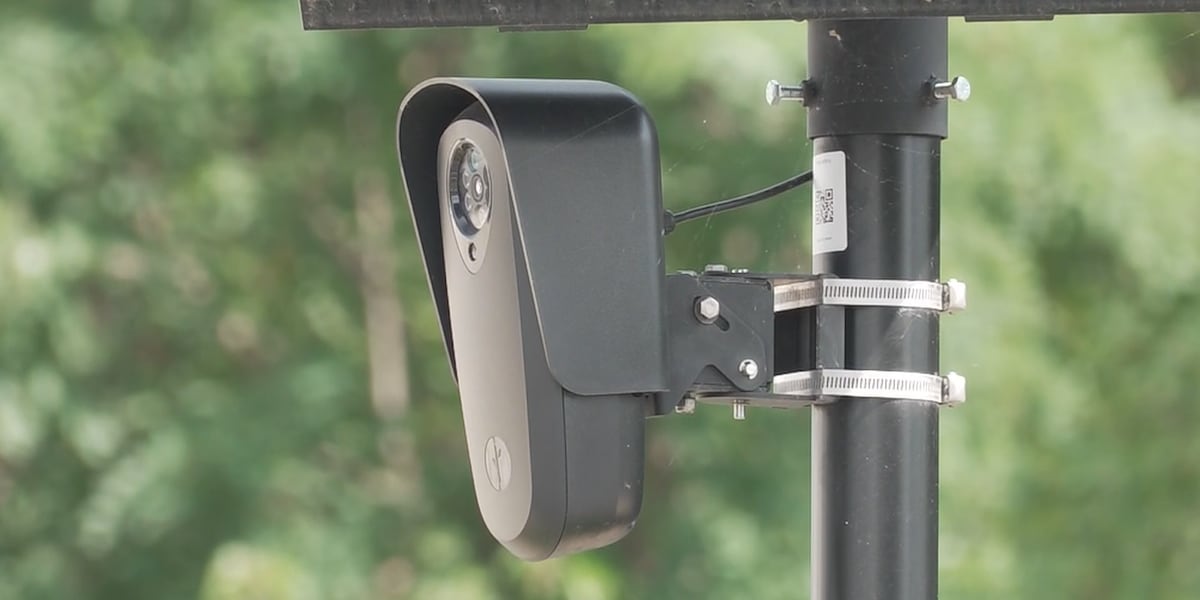
The Guardrail Guy raises concern over crash safety of some Flock cameras
WDBJ7 reports road-safety advocate Steve Eimers arguing that many Flock camera poles are installed without breakaway technology, the standard feature that lets a roadside sign support collapse when a vehicle strikes it. Eimers says the poles are set directly into the ground with no mechanism to yield on impact, and that they have not been through third-party crash testing: "every year, dozens upon dozens of people are killed in crashes with non-crash-worthy posts." The report notes that the Virginia Department of Transportation does not inspect Flock cameras installed on city or county roads.
From the reporting
- Flock's response, given to WDBJ7: the company uses "standard poles for many deployments and advanced breakaway poles on DOT-managed roads, highways, higher-speed corridors", and says that where required its poles meet MASH standards and are "independently evaluated and certified through the Texas A&M Transportation Institute".
- The gap the reporting identifies is jurisdictional rather than technical: state transport departments generally do not inspect installations inside city limits, so a pole on a municipal road may never be checked by anyone.
Read the originalThis summary is ours. The reporting is WDBJ7's, and the link below opens their page in a new tab.
Open WDBJ7 report (opens in a new tab)Inclusion is not independent verification of every claim. Dates are the publisher's publication dates. Corrections are published, not quietly patched: see sources and corrections.